
Introduction
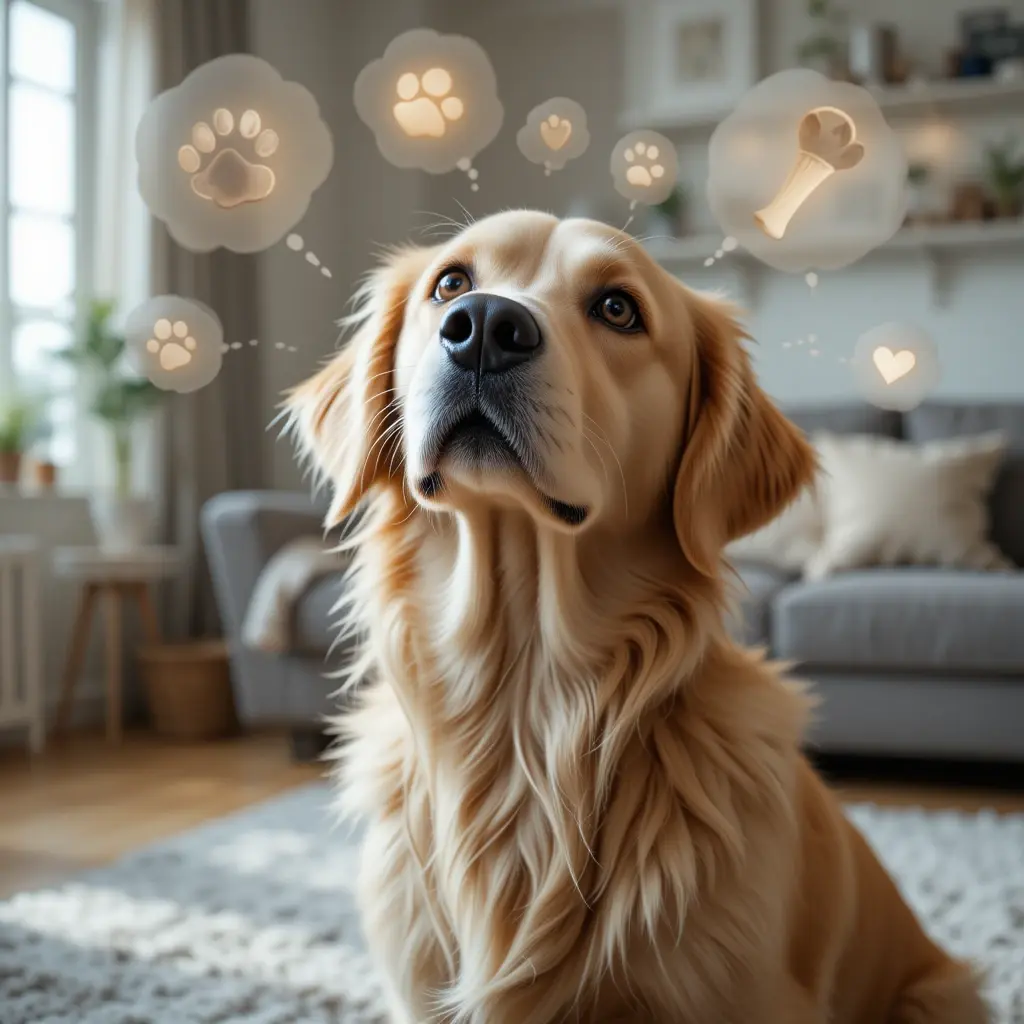
Every dog owner has looked into their pup’s eyes and wondered, “What’s going on in there?” Dogs are our loyal companions, always ready with a wagging tail or playful bark, yet their thoughts remain a mystery to most of us. Understanding what dogs think about can strengthen your bond, improve training, and help ensure their happiness. In this article, we’ll take a fascinating journey into the canine mind and reveal what your pup might be thinking throughout the day.
H2: How Dogs Process the World Around Them
Dogs experience the world primarily through their senses — especially smell. While humans rely heavily on vision, dogs use scent and sound to interpret their environment. This means their thoughts are often tied to what they smell, hear, and sense in real time. For example, while we might think of dinner at set times, your dog might start thinking about food when it catches the scent of a nearby meal or hears you opening a food container.
Their brains also work differently from ours. While they don’t think in words or full sentences, they process emotions, patterns, and cause-and-effect events. In simple terms, your dog’s thoughts revolve around experiences, associations, and feelings.
H2: Common Thoughts Your Dog Might Have Daily
Here are some of the most common “thoughts” that likely cross your pup’s mind:
H3: “Is It Time to Eat?”
Food is a huge motivator for dogs. Many of their thoughts revolve around meals, treats, and anything that smells edible. This is why you might see them perk up at the sound of a snack bag or even sniff the air when someone is cooking in the neighborhood.
H3: “Where Are My Humans?”
Dogs are deeply social animals. They often think about their human companions — where you are, when you’ll return, and what you’re doing. This attachment explains why many dogs wait by the door or window when you leave.
H3: “What’s That Smell?”
For dogs, scent is like reading a newspaper — full of information about who’s been around, what happened, and what might happen next. Every walk or outdoor trip gives them endless “stories” to sniff and analyze.
H3: “Is This Safe?”
Dogs constantly assess their environment for safety. Sudden noises, unfamiliar animals, or changes at home can trigger curiosity or caution. This thought process helps keep them (and you) safe.
H3: “Let’s Play!”
Play is not just fun — it’s mental stimulation and bonding time. Many dogs think about their favorite toys, outdoor adventures, or simply hoping you’ll initiate a game of fetch.
H2: Emotional Thoughts and Feelings
Beyond basic needs, dogs also experience emotional states like happiness, fear, excitement, and even jealousy. When you come home, their wagging tail and eager jumping aren’t just habits — they’re genuine emotional responses. Similarly, they might feel anxious when left alone, which can lead to behaviors like chewing or whining. Understanding these emotional “thoughts” helps you respond with empathy and proper care.
Conclusion: Building a Stronger Connection by Understanding Your Dog’s Mind
While we can’t read our dogs’ thoughts word-for-word, we now know they’re far from blank slates. They think about food, safety, companionship, fun, and emotional experiences every day. By observing their body language and understanding how their minds work, you can strengthen your bond, train more effectively, and create a happier life together. Next time you look into your pup’s eyes, remember — there’s a lot more going on in that furry little head than you might imagine.